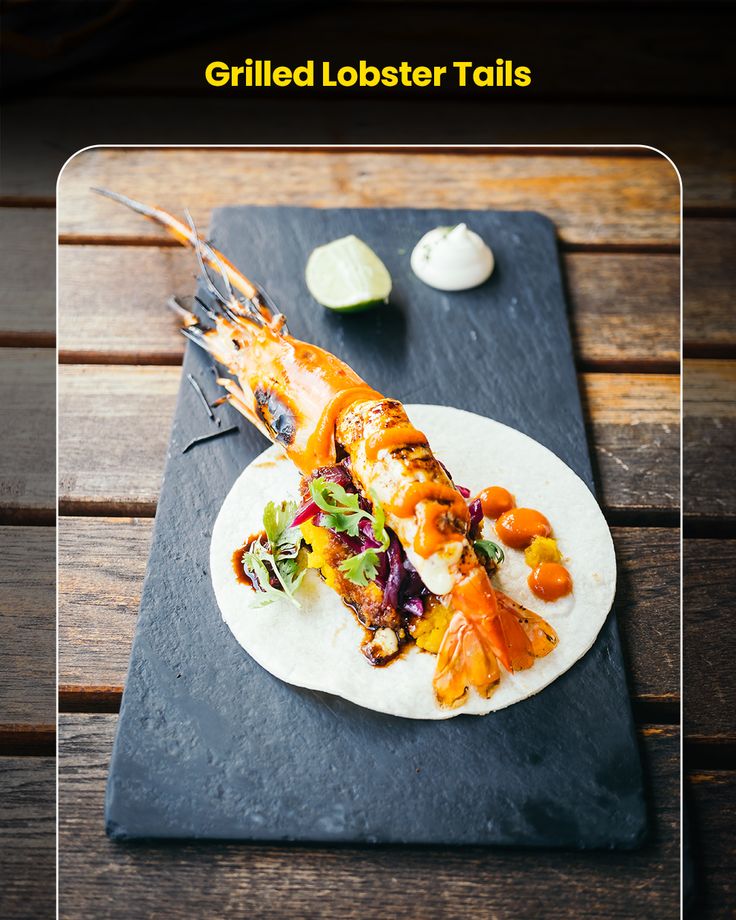
Master Lobster Tails: Easy Steps for Perfect Home Dining
Transforming your kitchen into a gourmet dining destination is easier than you think, especially when it comes to preparing exquisite lobster tails. Forget the notion that this luxurious seafood is reserved solely for upscale restaurants and special occasions out. With this comprehensive guide, you'll discover how simple it is to cook succulent, restaurant-quality lobster tails right in your own home, often for a fraction of the price. In just about 15 minutes, you can serve up a meal that feels like an event, impressing guests or simply indulging yourself in a truly special treat.Why Choose Lobster Tails for Your Next Home Feast?
The allure of lobster is undeniable. Its sweet, delicate meat and elegant presentation make it a hallmark of fine dining. However, the hefty price tag on a restaurant menu can often deter us from enjoying this delicacy more frequently. This is where preparing lobster tails at home becomes a game-changer. Not only can you significantly cut down on cost, but you also gain complete control over the quality, freshness, and preparation of your meal. Making lobster at home doesn't just save money; it's surprisingly simple and incredibly rewarding. Many people are intimidated by the idea of cooking seafood, especially something as revered as lobster, but it's one of the easiest proteins to master. When cooked correctly, lobster boasts a sweet, plump, and juicy texture that is utterly irresistible. Opting for just the tails is a smart, budget-friendly choice compared to purchasing a whole lobster or pre-shelled meat, and they are readily available, often frozen, which further enhances affordability and convenience.Choosing the Best Lobster Tails: Cold vs. Warm Water
The secret to truly sensational lobster tails begins long before they hit your cutting board: it starts with selection. The most crucial distinction to understand is between cold-water and warm-water lobster. * Cold-Water Lobster: These are the undisputed champions of flavor and texture. Sourced from the frigid Atlantic waters of places like Maine, Canada, New Zealand, Australia, and South Africa, cold-water lobsters grow slower due to their environment. This slow growth results in a much more delicate, sweeter, and firmer meat that holds its shape beautifully and provides that authentic, luxurious lobster experience. You'll typically find them with a reddish-brown shell, often without spots, and they tend to be higher priced – but for good reason! When selecting, look for packaging that clearly states the origin. * Warm-Water Lobster: Originating from warmer regions such as the Caribbean, Florida, and the Mediterranean, these are often marketed as a more budget-friendly alternative. While more accessible, their meat tends to be softer, sometimes a bit mushy, and can have a more "fishy" flavor profile compared to their cold-water counterparts. They often have noticeable spots on their shells. Whenever possible, invest in cold-water lobster tails for the best culinary outcome. The difference in taste and texture is significant enough to warrant the slightly higher cost.For an even deeper dive into making the right choice, check out our detailed guide: Cold vs. Warm Water Lobster: Buying Tips for Best Tails.
If you're using frozen lobster tails, which are an excellent and often more affordable option, ensure they are fully thawed before cooking. The best way to thaw them is slowly in the refrigerator overnight. If you're short on time, you can place them in a sealed plastic bag under cold running water for 30-60 minutes, changing the water every 10-15 minutes, until they are pliable. Avoid thawing at room temperature or using hot water, as this can affect the texture of the meat.The Art of Butterflying Lobster Tails for Perfect Presentation
Butterflying is the technique that transforms a simple lobster tail into an impressive display, making it easier to cook evenly and providing a beautiful presentation. Don't be intimidated; it's straightforward! Here’s a step-by-step guide to butterflying your lobster tails: 1. Prepare Your Tools: You'll need sharp kitchen shears and a sturdy cutting board. 2. Cut the Shell: Place the lobster tail on a cutting board, shell-side up. Using your kitchen shears, carefully cut straight down the middle of the top of the shell, from the end closest to the body all the way to the tail fin, being careful not to cut into the meat itself. 3. Loosen the Meat: Gently slide your fingers underneath the cut shell on both sides to loosen the meat from the shell. Flip the tail over and gently press down on the underside (the softer, bony part) to crack or break the bones. This makes it easier to separate. Continue to slide your fingers underneath to fully detach the meat from the bottom of the shell. 4. Separate and Lift: Carefully open the cut shell and gently pull the meat upwards and outwards. You want to lift the meat so it sits on top of the opened shell, but ensure it remains connected at the very base of the tail fin. The shell acts as a "boat" for the meat. 5. Clean and Rinse: If you see a dark vein (the digestive tract) running along the back of the meat, carefully remove it. Rinse the butterflied lobster tails under cold water and pat them thoroughly dry with paper towels. This ensures an even cook and better browning. This technique not only makes your lobster look fantastic but also ensures that the butter and seasonings can reach more of the meat, infusing it with flavor during cooking.Mastering the Cooking Method: Broiling for Flawless Lobster Tails
For more detailed cooking insights and alternative methods, dive into our article: Cook Restaurant-Quality Lobster Tails at Home in 15 Minutes.
